
Root canal therapy is a routine endodontic procedure performed when the dental pulp becomes inflamed or infected due to deep decay, trauma, or bacterial infiltration. Many adults delay treatment because of pregnancy, seasonal health concerns, or misconceptions about the safety of endodontic procedures in winter. At Al Safwa Medical Center in Bani Yas, Abu Dhabi, endodontists routinely manage cases involving pain, pulp necrosis, apical lesions, and recurrent infections using globally recognized standards such as ADA clinical guidelines, ISO 4049 polymer-based restorative materials, and evidence-based endodontic protocols.
Delayed intervention can increase the risk of abscess formation, sinus tract development, and systemic spread of infection. Understanding when root canal treatment (RCT) is medically safe, when it becomes clinically urgent, and how timing differs between pregnancy and cold seasons can help patients make informed decisions without compromising their oral or general health.
A root canal treatment is indicated when the soft tissue inside the tooth (pulp) becomes infected or irreversibly inflamed. Endodontists at Al Safwa commonly diagnose cases using digital radiographs, thermal tests, percussion tests, and cone-beam computed tomography (CBCT) when needed.
Clinical indications for RCT include:
When the pulp is still partially vital, a Pulpotomy may be offered in specific situations, including pediatric patients or select emergency cases during pregnancy. The choice between pulpotomy and full RCT depends on the stage of inflammation, patient symptoms, and radiographic interpretation.
International consensus (ADA, ACOG, and WHO guidelines) confirms that root canal treatment is safe when medically required, including the first trimester, as long as proper adjustments are made. This is supported by the ACOG clinical opinion on oral health during pregnancy.
Why RCT is safe during pregnancy
When RCT becomes urgent during pregnancy
Endodontists at Al Safwa Medical Center prioritize the mother’s systemic stability and follow specific protocols involving comfortable reclining positions, safe anesthetics, and minimizing procedure duration across trimesters.
When a pulpotomy may be preferred
In certain emergency settings during the first trimester, a pulpotomy can provide immediate relief by removing the inflamed coronal pulp while postponing full RCT. This approach is clinically acceptable when infection is localized and there is no acute apical abscess.
First trimester
Safe when needed, especially to control infection. Non-urgent cosmetic work should be postponed.
Second trimester
Clinically ideal for comfortable seating, reduced nausea, and stable fetal development.
Third trimester
Still safe but requires short appointments to avoid vena cava compression. The medical director or treating physician may recommend specific positioning or breaks.
Delayed treatment can progress infection beyond the pulp chamber, affecting the periodontal ligament, alveolar bone, and periapical tissues. Risks include:
Endodontists in Abu Dhabi consistently emphasize that dental infections do not pause during pregnancy, making timely treatment clinically important.
Cold temperatures can influence dental pain perception, particularly among adults who already experience dentin hypersensitivity or pulp inflammation. Although cold weather does not directly harm the pulp, it can trigger sharp pain when inflammation is present.
Clinical reasons RCT becomes more common in winter:
Endodontists at Al Safwa note an increase in pulpitis cases from December to February, often requiring Root Canal Treatment or Apicoectomy when infection reaches the periapical area.
Completely safe. In fact, cold-sensitive pulpitis often intensifies in winter, making intervention essential to prevent infection spread.
Why winter pain is a red flag:
If these symptoms appear, early evaluation prevents progression to abscess formation.
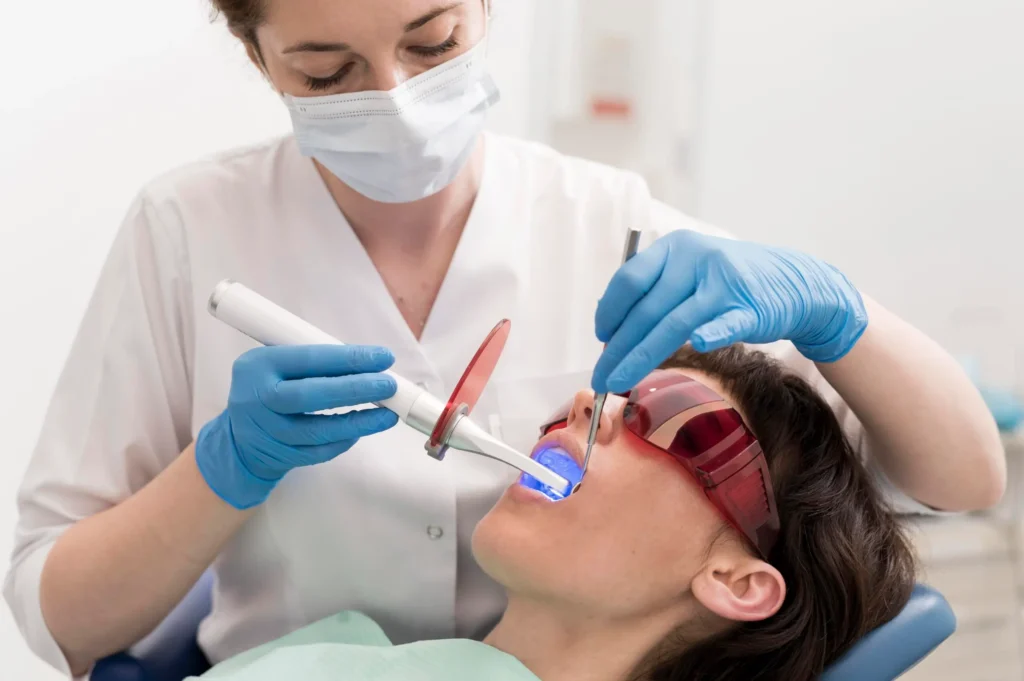
These symptoms indicate irreversible pulpitis or necrosis and require Root Canal Treatment performed by an endodontist.
Al Safwa’s endodontic department follows a standardized workflow designed for predictable healing:
Digital X-rays and CBCT when needed. Protective shielding is provided for pregnant patients.
Category B anesthetics without adrenaline for pregnancy when required.
Rubber dam placement prevents bacterial contamination and increases procedural safety.
Nickel–titanium rotary files shape canals. Irrigation solutions such as sodium hypochlorite remove debris and biofilm.
Calcium hydroxide may be placed between visits for infected canals.
Gutta-percha and resin-based sealers (ISO 6876 compliant) fill canals precisely.
A temporary filling or a full-coverage crown is placed using materials such as Emax or 3M Filtek composites.
Follow-up exams monitor healing and check for symptoms.
Patients may also undergo Apicoectomy if conventional RCT fails or if the apical anatomy prevents adequate cleaning.
Al Safwa’s endodontic department follows a standardized workflow designed for predictable healing. For a step-by-step public explanation of what patients can expect during the procedure, they can also review the full NHS explanation.
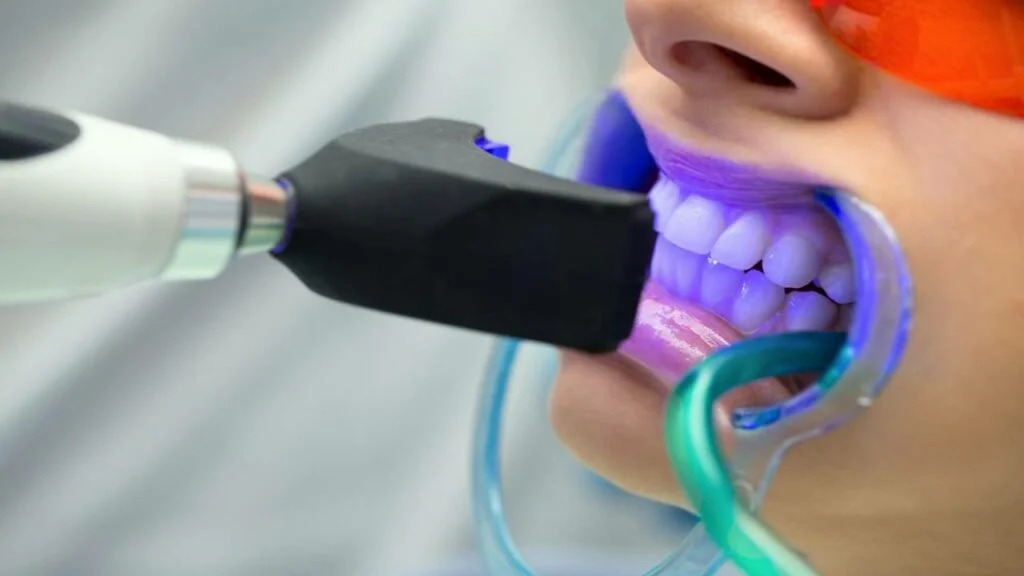
Current evidence confirms dental X-rays with shielding are safe during all trimesters, as stated by the American Dental Association. The fetal exposure from a single dental radiograph is estimated at 0.01–0.02 µGy, far below the natural background radiation received daily.
Endodontists collaborate with physicians when medical history requires cross-checking.
Patients typically experience mild soreness for 24–48 hours. Winter dryness may increase gum discomfort, so hydration and warm saline rinses are recommended. Pregnant patients benefit from shorter appointments, rest after treatment, and upright positioning.
Al Safwa’s endodontic unit is led by experienced doctors such as Dr. Mohammed Dalloul, Dr. Saleh Salem, and Dr. Rahul Patel, who specialize in diagnosing complex pulp conditions, retreating failed root canals, managing pregnancy-related dental complications, and addressing winter-triggered pulpitis.
Patients can learn more about the clinic through the About us section, explore educational Blogs, book consultations via Contact Us, or review profiles of all Doctors on the official website.
Root canal treatment is safe during both pregnancy and winter, provided it is performed under proper clinical protocols and radiographic precautions. Delaying treatment increases the risk of infection, swelling, and tooth loss. Patients in Abu Dhabi who experience persistent cold sensitivity, night pain, swelling, or pregnancy-related dental discomfort should seek evaluation at Al Safwa Medical Center to prevent preventable complications and ensure stable oral health.
For more information on Endodontics, emergencies, or general dental services, patients may refer to the clinic’s official website for professional guidance.
Expert Dental Services | Cosmetic Dentistry |
Teeth Whitening | Dental Implants | Invisalign & Braces
© scm-mc 2025- All Rights Reserved